By Charise Courtney
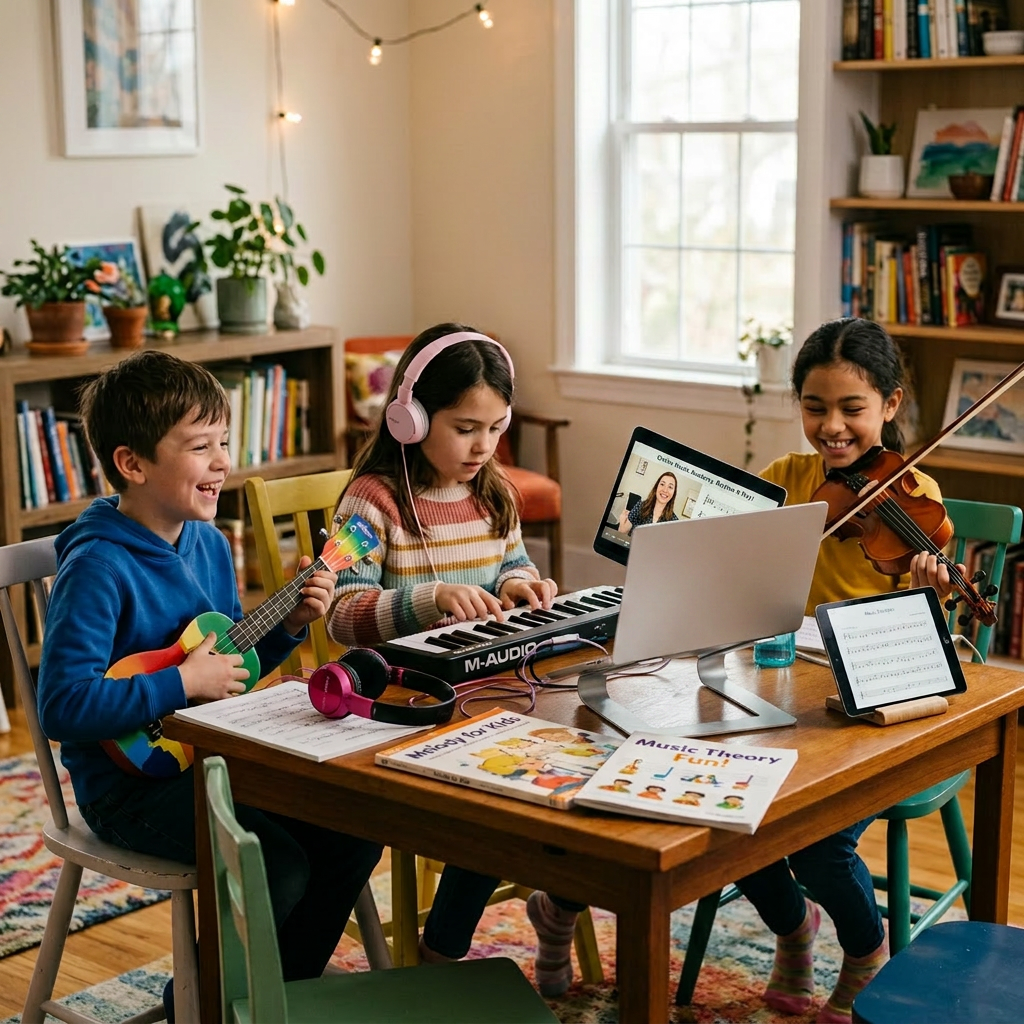
The way we teach music has changed dramatically over the past few years. Whether students are learning in a traditional classroom, a private studio, or completely online, educators have incredible opportunities to create meaningful musical experiences through technology.
But simply putting lessons online isn’t enough. Great online instruction requires thoughtful design that keeps students engaged, supports different learning styles, and encourages creativity.
Here are some of the principles I believe make online music education successful.
1. Start with Clear Learning Goals
Every lesson should answer one simple question:
What should students know or be able to do by the end of this lesson?
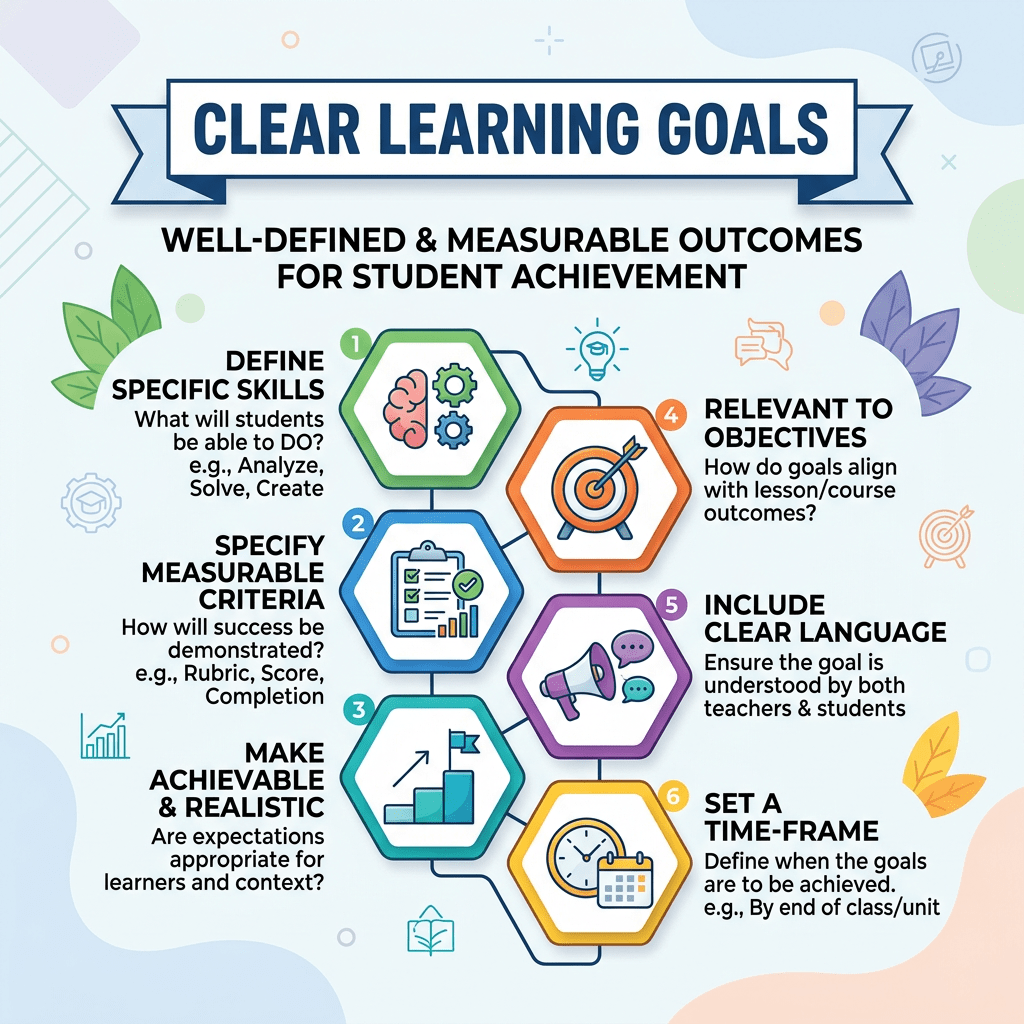
When objectives, activities, and assessments all align, students understand the purpose of their work and are more likely to succeed.
For example:
- Learn a new rhythm pattern
- Perform a simple melody
- Compose an original four-measure piece
- Reflect on a musical performance
Clear goals create confident learners.
2. Break Learning into Small Chunks
Young learners can become overwhelmed when presented with too much information at once.
Instead of one long lesson, divide instruction into manageable sections:
- Mini lesson
- Demonstration
- Guided practice
- Independent activity
- Reflection
Small successes build confidence and motivation.
3. Make Learning Active
Music is something we do, not something we simply watch.
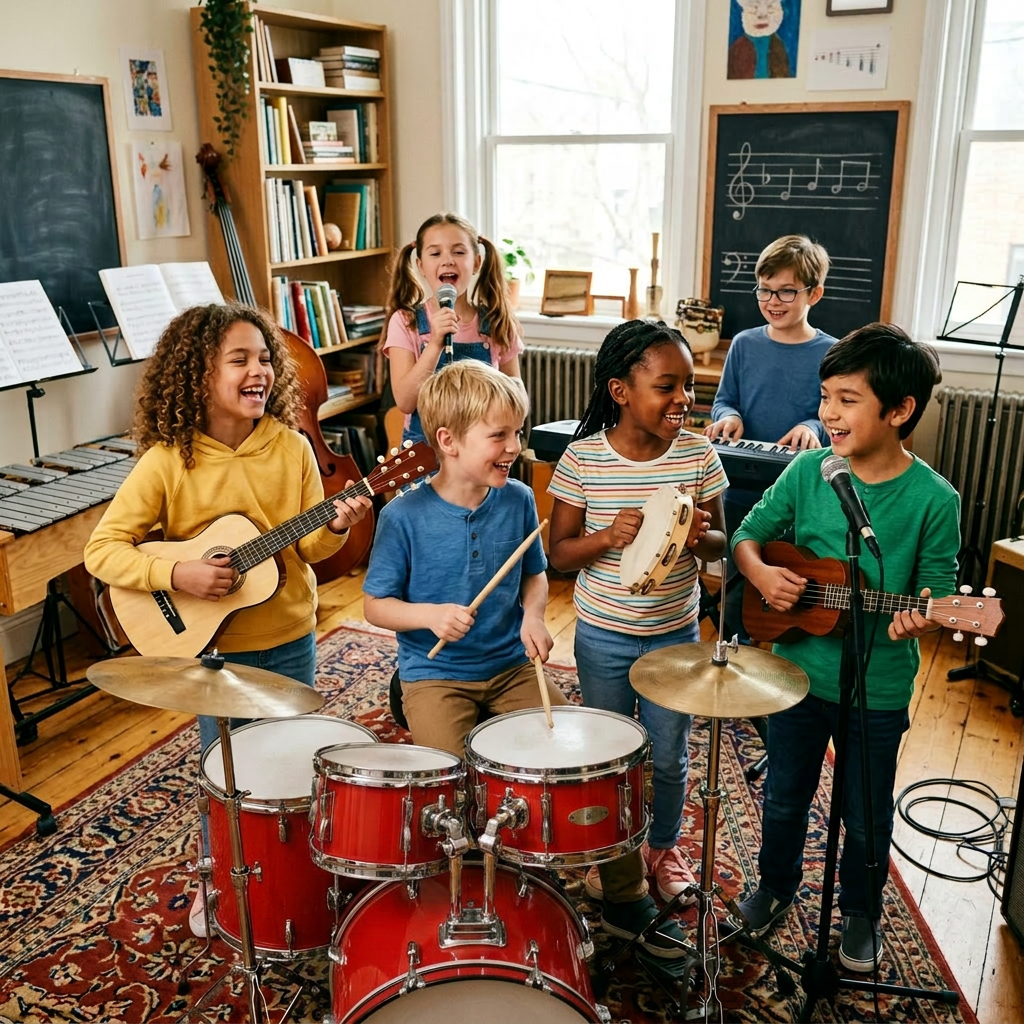
Students should have opportunities to:
- Sing
- Play instruments
- Move
- Create
- Improvise
- Compose
- Record themselves
The more students actively participate, the deeper their learning becomes.
4. Build Community
Learning music is naturally collaborative.
Even in online environments, students benefit from interacting with one another through:
- Discussion boards
- Group projects
- Virtual performances
- Peer feedback
- Collaborative compositions
Creating community helps students feel connected and supported.
5. Use Technology with Purpose
Technology should enhance learning, not distract from it.
Some of my favorite uses include:
- Interactive notation software
- Recording assignments
- Digital rhythm games
- Virtual instruments
- Collaborative composition platforms
The goal is always musical growth, not simply using technology for its own sake.
6. Differentiate for Every Learner
No two students learn exactly the same way.
Providing multiple options allows students to demonstrate understanding through:
- Performance videos
- Written reflections
- Original compositions
- Digital projects
- Creative presentations
Choice increases engagement and ownership.
7. Make Accessibility a Priority
Every student deserves the opportunity to succeed.
Consider including:
- Clear navigation
- Simple instructions
- Visual supports
- Audio examples
- Captioned videos
- Flexible pacing
When courses are accessible, everyone benefits.
8. Connect Music to Real Life
Students are more engaged when they see music beyond the classroom.
Encourage them to:
- Analyze favorite songs
- Explore cultural traditions
- Create family performances
- Compose music inspired by personal experiences
Real-world connections make learning memorable.
9. Give Meaningful Feedback
Timely feedback helps students improve while building confidence.
Instead of simply saying:
“Good job!”
Try:
“Your rhythm was steady throughout the piece. Next, let’s work on smoother phrasing during the final measure.”
Specific feedback guides growth.
10. Encourage Reflection
Reflection transforms practice into learning.
Ask students questions like:
- What challenged you today?
- What are you most proud of?
- What would you practice differently next time?
- What goal do you have for next week?
These simple questions help students become independent musicians.
Final Thoughts
Successful online music instruction isn’t about having the newest technology; it’s about designing learning experiences that are engaging, organized, creative, and inclusive.
When students feel connected, challenged, and supported, they don’t just complete assignments; they develop confidence, curiosity, and a lifelong love of music.
As both a music educator and lifelong learner, I believe the best online courses combine strong teaching practices with meaningful human connections. Technology is simply the instrument that helps make those connections possible.

Leave a Reply