By Charise Courtney
Let’s be honest.
When someone says “Let’s add social media to the classroom,” most educators immediately think:
Great… one more thing to manage.
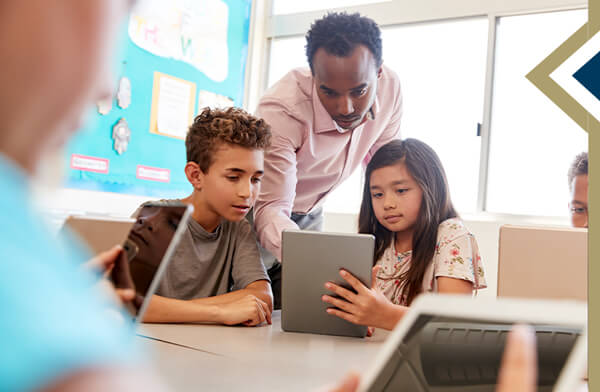
Between lesson planning, grading, meetings, emails, and everything else teachers juggle daily, the idea of adding social media into instruction can feel overwhelming.
I get it. I had the same reaction.
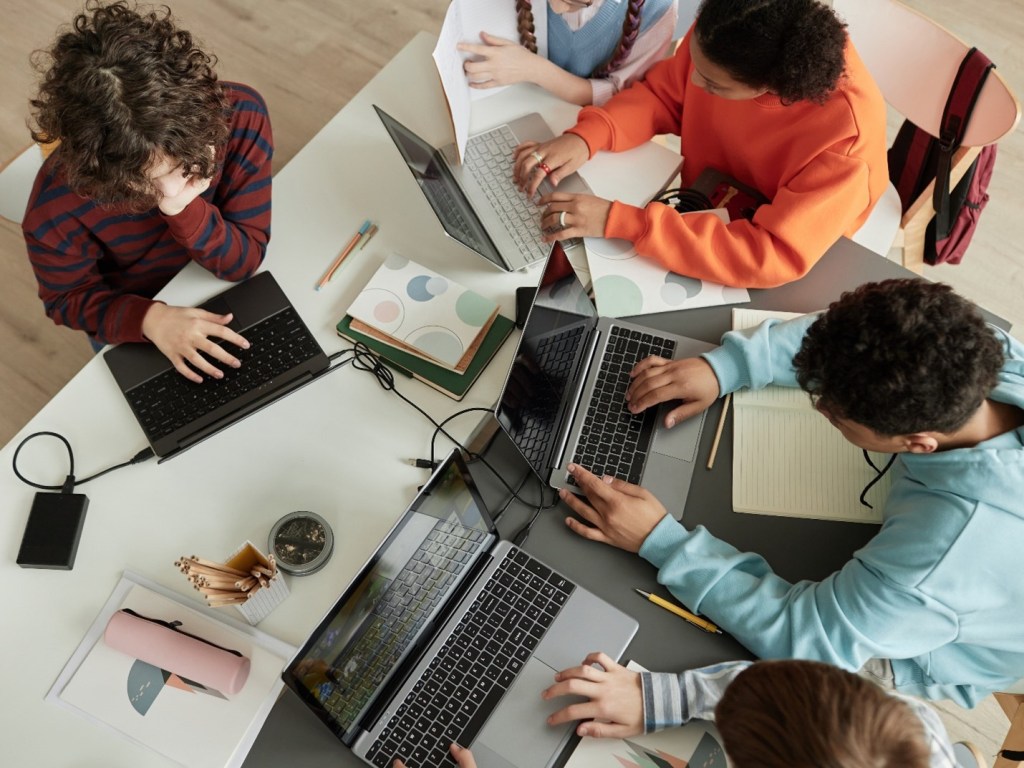
But here’s the truth: when social media tools are used intentionally, they can actually strengthen learning communities and increase student engagement in online environments.
The key isn’t adding more technology.
The key is designing meaningful learning experiences.
Why Social Connection Matters in Online Learning
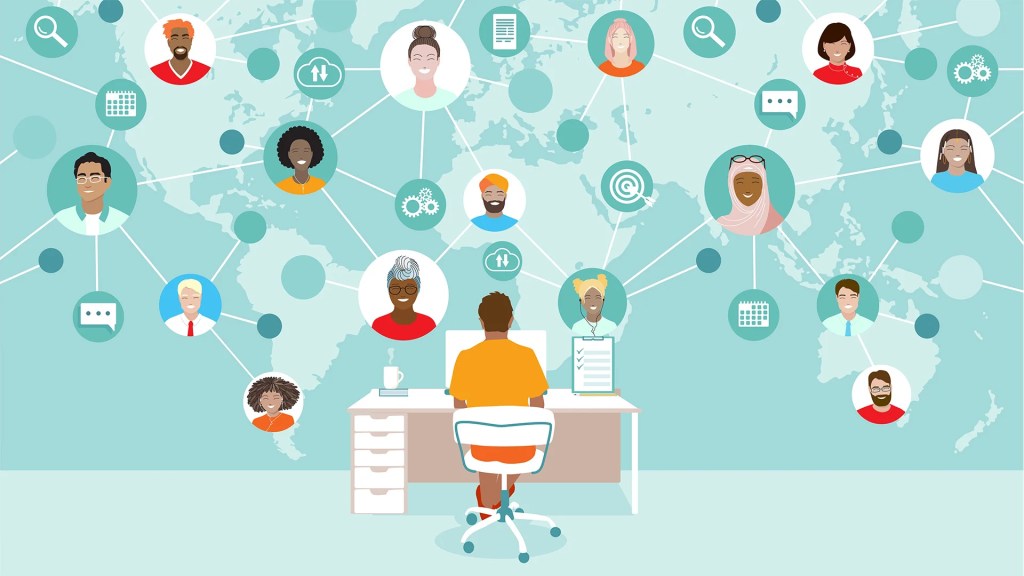
Research consistently shows that social connection is essential for successful online learning environments. When students feel connected to both their peers and their instructor, they report higher motivation, stronger engagement, and greater satisfaction in their courses (Geary et al., 2023).
Without that connection, online learning can quickly become isolating.
Social media tools can help bridge that gap by giving students opportunities to:
• interact with classmates
• share ideas and feedback
• collaborate on projects
• build relationships within the learning community
However, successful implementation starts with professional digital citizenship.
Educators must model responsible online communication, protect student privacy, and follow policies such as FERPA to ensure ethical digital interactions (Ribble, 2015).
Using Flip in the Music Classroom
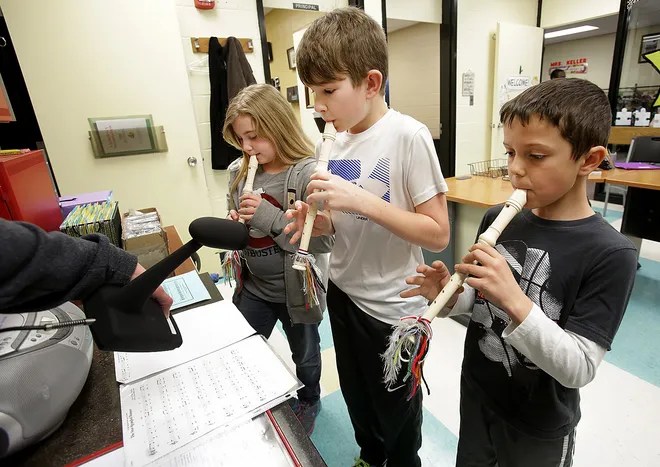
Video-based platforms like Flip work especially well in music education because students can demonstrate musical skills, reflect on their learning, and share creative work.
Performance Check-Ins
Students record short videos demonstrating a musical skill.
Examples might include:
• singing a melodic pattern
• performing a rhythm using body percussion
• playing a recorder or ukulele pattern
Example prompt:
“Record yourself singing the melody from ‘Hot Cross Buns.’ Focus on steady beat and accurate pitch.”
Students can then watch classmates’ videos and leave encouraging feedback.
This type of interaction strengthens collaboration and builds a supportive learning community, which research shows improves online learning satisfaction (Geary et al., 2023).
Collaborative Music Creation with Soundtrap

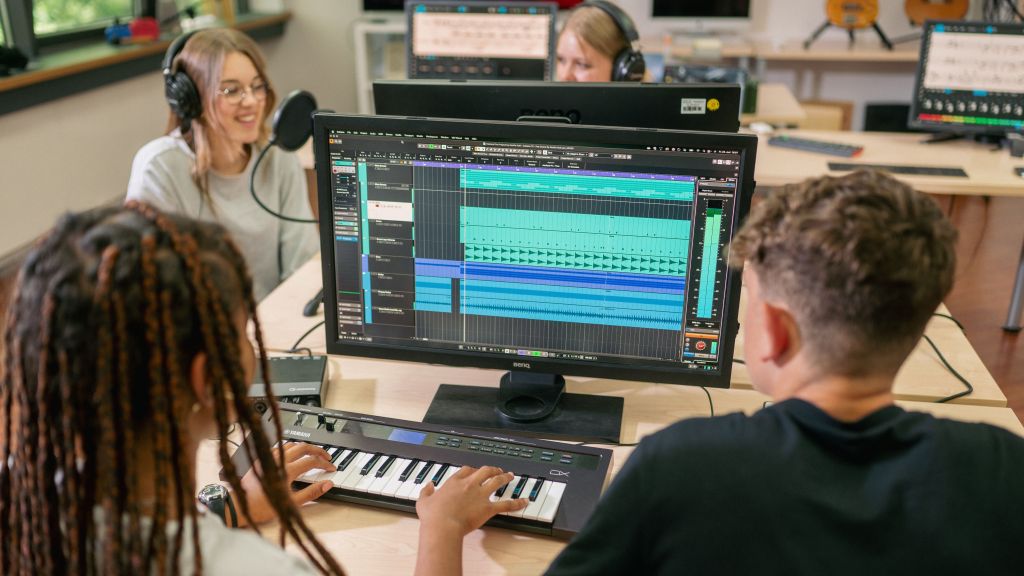
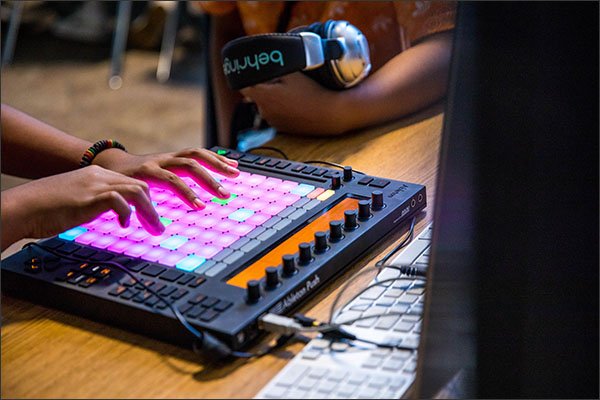
Another powerful platform used in music education is Soundtrap for Education, which functions like a digital recording studio where students can compose, record, and collaborate online.
Collaborative Songwriting
Students work together to build a song by layering different musical elements.
Example:
• Student 1 creates a drum beat
• Student 2 adds bass
• Student 3 records melody or vocals
Digital Composition Project
Example assignment:
“Create an eight-measure composition using at least three different instruments.”
This gives students a chance to explore music creation even if they do not play traditional instruments.
Leadership Matters in Online Learning
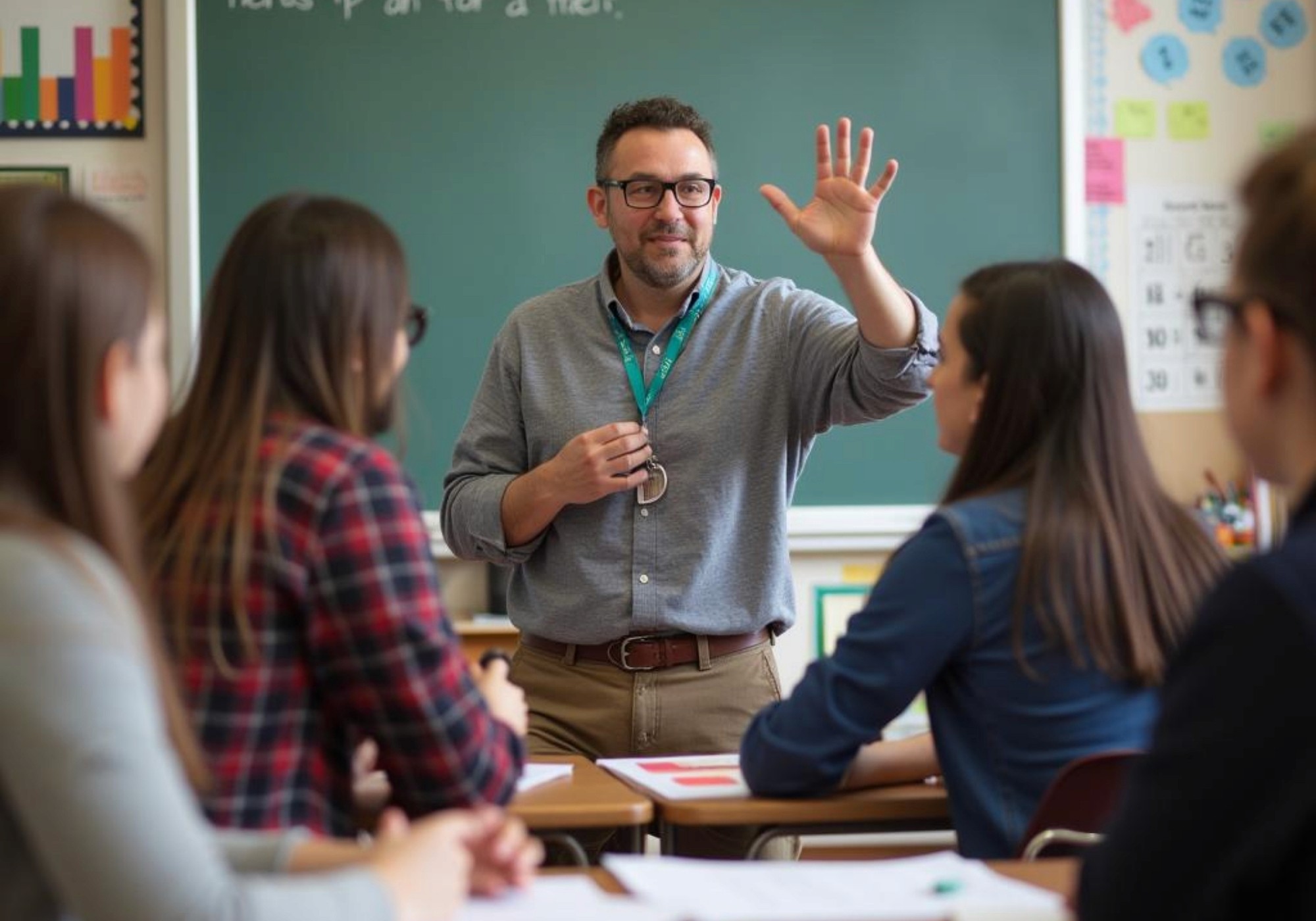
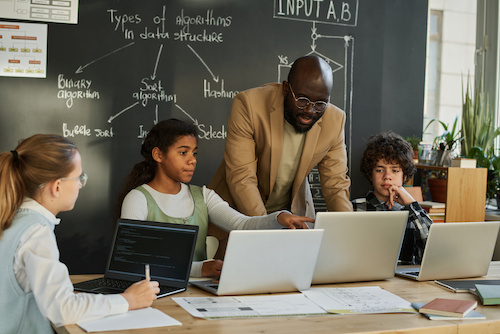
Integrating social media into education is not just a technology decision—it is also a leadership decision.
One leadership framework that applies well to online learning environments is servant leadership, which focuses on prioritizing the needs and growth of learners (Greenleaf, 1977).
In online classrooms, servant leadership can be demonstrated through:
• consistent communication
• meaningful feedback
• strong instructor presence
• collaborative learning opportunities
Research shows that structured feedback and instructor engagement help students develop stronger self-regulation skills in online courses (Morrison & Jacobsen, 2023).
The Bottom Line
If social media ever feels overwhelming in your teaching practice, remember this:
Technology should serve a purpose.
When used intentionally, it can:
✔ strengthen connections
✔ encourage collaboration
✔ support creativity
✔ improve student learning
But the goal isn’t to do everything.
The goal is to do what actually matters.
Because the rest of it?
Yeah…
We don’t have time for that sh**.
Click here to listen to the Podcast. https://www.buzzsprout.com/2429128/episodes/18795550
References
Geary, E., Allen, K. A., Gamble, N., & Pahlevansharif, S. (2023). Online learning during the COVID-19 pandemic: Does social connectedness and learning community predict self-determined needs and course satisfaction? Journal of University Teaching and Learning Practice, 20(1).
Greenleaf, R. K. (1977). Servant leadership: A journey into the nature of legitimate power and greatness. Paulist Press.
Morrison, L., & Jacobsen, M. (2023). The role of feedback in building teaching presence and student self-regulation in online learning. Social Sciences & Humanities Open, 7(1). https://doi.org/10.1016/j.ssaho.2023.100503
Ribble, M. (2015). Digital citizenship in schools (3rd ed.). International Society for Technology in Education.

Leave a comment